
Practical Uses for Magnets at Home, in Workshops and Industry
Where can magnets be used?
Magnets help organise tools, store screws, label shelving and remove iron contaminants from materials. They are used at home, in workshops, warehouses and industrial production.
- Neodymium magnets are suitable for small holders and closures.
- Magnetic parts trays keep fasteners together.
- Magnetic labels make shelving easier to identify.
- Industrial separators capture ferromagnetic contaminants.
Magnets in workshops and garages
Magnetic tools help keep the workplace organised and small components readily accessible.
Workshop uses include:
- magnetic strips for steel tools,
- trays for screws, nuts and washers,
- telescopic magnets for dropped objects,
- belt magnets,
- magnetic welding angles.
A magnetic strip does not automatically attract every metal tool. It works reliably mainly with iron, ordinary steel and other ferromagnetic materials.
Magnets at home
At home, magnets can serve as simple closures, holders or organisational aids.
- attaching photographs and notes,
- magnetic closing mechanisms for boxes and doors,
- holders for lightweight kitchen utensils,
- magnetic hooks and strips,
- tiled access panels.
For kitchen knives, use only a sufficiently strong strip designed specifically for that purpose. It must be securely mounted and positioned out of reach of children.
Magnetic parts trays
A magnetic parts tray holds small steel components and can also attach to a suitable metal surface.
It is suitable for:
- machine screws and wood screws,
- nuts and washers,
- nails,
- bits,
- small assembly components.
The rubber coating on the magnets underneath reduces the risk of scratching. However, metal swarf and dirt must still be removed from both the tray and the mounting surface before attaching it.
Magnetic labels in warehouses
Magnetic labels let you label steel racks, cabinets, shelves or door frames without adhesive.
Their advantages include:
- easy repositioning,
- quick replacement of the label,
- clear film protecting the paper,
- reusability,
- easy changes to the storage system.
Industrial uses of magnets
In industry, magnets are used for separating iron contaminants, handling materials, holding workpieces and inspecting products, for example.
Magnetic separators are used in:
- food processing,
- agriculture,
- the chemical industry,
- plastics processing,
- recycling and waste treatment.
How do you choose the right magnet?
- Small holder or closure: a neodymium cylinder or block.
- Screws and small parts: a magnetic parts tray.
- Labelling a steel rack: a magnetic label.
- Cleaning production material: an industrial separator.
Safe use
- Strong magnets can pinch fingers.
- Neodymium magnets are brittle and may crack on impact.
- Keep small magnets out of reach of children.
- Do not use magnetic holders for unsafe suspension above people.
- Keep a safe distance from implants, payment cards and sensitive electronics.
Recommended magnetic products
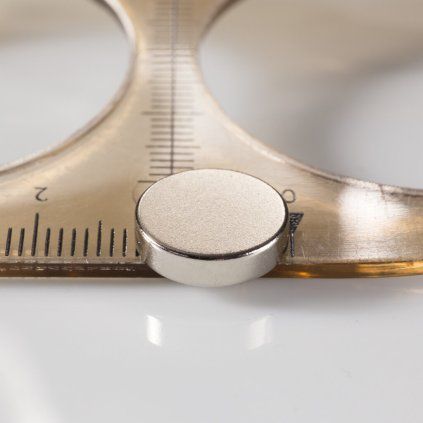
Neodymium cylinder magnet 12 × 3 mm
A compact neodymium magnet for holders, closures, model making and small technical projects.
- Diameter 12 mm
- Height 3 mm
- Pull force 20.3 N
- Approximate pull force 2.03 kg
- Weight 2.65 g
- Neodymium material
- Nickel-plated surface
- Temperature resistance up to 80 °C
- Product code 20067
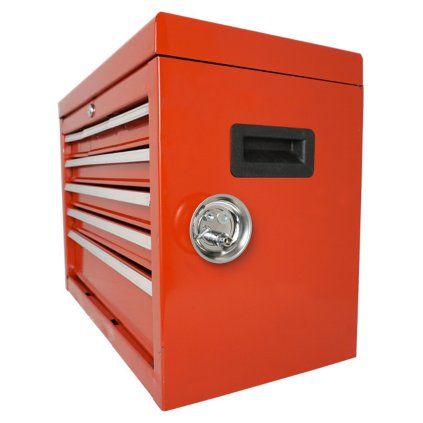
Magnetic parts tray, diameter 76 mm
A compact tray for keeping a smaller quantity of fasteners together during assembly or repairs.
- Diameter 76 mm
- Magnetic attachment to a steel surface
- Rubber-coated magnets underneath
- Suitable for screws, nuts and washers
- Product code 10259
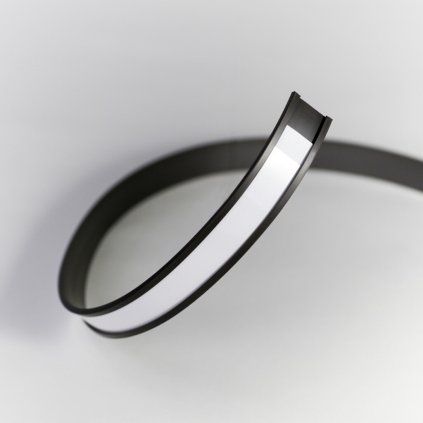
Magnetic label, width 20 mm
A magnetic C-profile for clear, easily changeable labels on warehouse racks and steel cabinets.
- Width 20 mm
- Length 1 m
- Magnetic C-profile
- Write-on paper strip
- Transparent protective PVC film
- Approximate weight 108 g
- MF-C 20 designation
- Product code 10230
Frequently asked questions
Does a magnet attract every metal?
No. It strongly attracts mainly iron, ordinary steel, cast iron and other ferromagnetic materials.
Does a magnetic tray hold on aluminium?
No. It needs a suitable ferromagnetic surface, such as ordinary steel.
Can a magnetic label be moved?
Yes. It can be removed from a steel rack and repeatedly placed elsewhere.
Can a neodymium magnet be used outdoors?
Ordinary nickel-plated models are mainly intended for dry indoor use. In damp conditions, corrosion may develop if the surface is damaged.
Is pull force a safe load capacity?
No. It applies to a perpendicular pull under ideal conditions. In actual use, the force may be much lower.
Summary
Magnets have uses ranging from simple household closures, tool organisation and warehouse labelling to industrial separation of metal contaminants.
Choose the right product according to the object’s material, the loading method, size, working environment and required holding force.
Discover practical uses for magnets
Choose individual magnets, trays, labels, holders and other aids for your home, workshop or warehouse.