
Cleaning magnetic mats
Magnetic Mats by Size
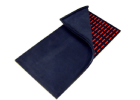
Product sorting
Brands
Format (mm)
List of products


Listing controls
Benefits of Cleaning Magnetic Mats
Prevents contamination at the source
Metal particles are captured at entry points, preventing them from reaching production lines, clean zones, or sensitive equipment.
Protects product quality and hygiene
Essential in food, pharmaceutical, chemical, or high-purity manufacturing environments where even small metal fragments can pose significant risks.
Reduces wear on equipment
Keeps metal debris from entering machines, conveyors, mixers, or raw material streams, thereby reducing damage and maintenance needs.
Simple cleaning and maintenance
Mats can be quickly cleaned by removing the top layer or wiping the surface—no electricity or complex mechanisms required.
Durable and suitable for high-traffic zones
Built to withstand continuous use by staff and equipment such as trolleys, pallet trucks or carts.
Helps maintain safe working conditions
Eliminates sharp metal fragments from being tracked across floors, reducing the risk of injuries and tire punctures.
1Place the mat at the border between dirty and clean zones
A magnetic mat works at one point only: the doorway people walk through. It pulls ferrous debris such as shavings, filings and metal cutting dust out of shoe soles before it is carried further.
The right place is the passage from a workshop, machining hall or welding area into offices, a canteen, a clean zone or a food processing area. A mat in the middle of the production floor only collects what is already everywhere.
2Choose the length by how many steps land on it
The range comes in 500 x 500 mm, 560 x 550 mm and 1,000 x 500 mm formats. A 500 mm mat catches roughly one step per foot, a 1,000 mm mat lets each sole touch the magnet twice.
At a busy entrance or where the debris is fine and sticks in the tread, take the 1,000 x 500 mm format. For a narrow door with occasional traffic, 500 x 500 mm is enough.
3Compare the design lines in the product detail
The category contains standard mats, ECO and UP versions and magnetic capture zones. They differ in construction and in the stated magnetic values, so compare the induction and pull-off force in each product detail rather than the name.
For example, the magnetic capture zone 500 x 500 mm states 3,110 G and 17 N at a weight of 11.5 kg. Use these figures to compare like with like, and ask us if the design that suits your entrance is out of stock.
4Count on the sole, not only on the magnet
The mats are fitted with strong neodymium magnets, but the field still weakens quickly with distance. Particles on the surface of the sole are captured easily, particles pressed deep into a thick, deeply profiled tread less so.
That is why the walking route matters: people should step fully onto the mat, not stride over its edge. Where safety shoes with heavy treads are standard, the longer format makes a real difference.
5Plan the cleaning interval
The top side is a rubber surface that is easy to clean: captured metal is removed by wiping the surface or by taking off the top layer. No electricity and no mechanism is involved.
A mat covered in swarf keeps working, but less effectively and it starts shedding debris again. On a heavily used entrance, clean it at the end of every shift, and check it daily during the first week to find the real interval.
6Know what the mat will not catch
Like every permanent magnet, the mat captures ferromagnetic metals only: steel, iron and cast iron. Aluminium, brass, copper and most austenitic stainless steels (grades such as 304 and 316) pass through, as does ordinary dust and wood sawdust.
Tip: The mat protects the doorway, not the whole floor. Combine it with a magnetic sweeper for the production area itself: the sweeper keeps the swarf level low on the floor, and the mat then catches what is left on the soles. Auditors in food processing plants look for exactly this kind of layered protection.
Related categories to the Cleaning magnetic mats category
- Magnetic sweepers
- Sweepers with neodymium magnets
- Sweepers with ferrite magnets
- Sweepers for forklift trucks
- Sweepers for cleaning trolleys
- Magnetic swarf collectors
- Magnetic dust traps
- Hand magnets
- Telescopic magnet
- Sorting magnets
- Magnetic handling aids
- Magnetic separators
- Magnetic grids
- Magnets for hoppers
- Magnetic rods
- Magnetic plates
- Flow magnetic separators
- All industrial magnets
Frequently asked questions about cleaning magnetic mats
At the passage between a production area and a clean area: from a workshop, machining hall or welding shop into offices, a canteen, a clean room or a food processing area. That is where shavings, filings and metal cutting dust would otherwise be carried on shoe soles into zones where they cause damage or contamination.
A 500 x 500 mm mat catches roughly one step per foot and suits a narrow door with lighter traffic. A 1,000 x 500 mm mat lets each sole touch the magnet twice, which noticeably improves capture of fine debris stuck in deep treads. A 560 x 550 mm UP version is also available.
Yes, food processing facilities are one of its main uses, including places where auditors require it. The mat is fitted with strong neodymium magnets that capture Fe impurities from shoe soles at the entrance, so metal particles do not reach the production line, raw materials or packaging areas.
The top side is an easy-to-clean rubber surface. Captured metal is removed by wiping the surface or by taking off the top layer, with no electricity or mechanism involved. On a busy entrance, clean the mat at least once per shift, because a surface covered in swarf captures less and starts releasing debris again.
Yes. The mats are built for high-traffic zones and continuous use by staff and by equipment such as trolleys, pallet trucks and carts. As a side effect, wheels passing over the mat leave part of their metal debris on it too, which reduces tyre punctures and damage to transport equipment.
No. It captures only ferromagnetic metals such as steel, iron and cast iron. Aluminium, brass, copper and most austenitic stainless steels (304, 316) are not attracted, and neither is ordinary dust or wood sawdust. Where these materials are processed, the mat covers the steel part of the debris and a conventional entrance mat handles the rest.
Metal contamination rarely enters a clean zone through the production line alone; a large share walks in on shoe soles. Our cleaning magnetic mats stop it at the door with strong neodymium magnets under an easy-to-clean rubber surface, in 500 x 500, 560 x 550 and 1,000 x 500 mm formats, as standard, ECO and UP versions and as magnetic capture zones. They need no electricity, withstand trolleys and pallet trucks, and are used in food processing plants where auditors require them. Because we build industrial magnetic separators ourselves, we can advise on the whole chain of protection, from the entrance mat to the separator on the line.


