
Magnetic sweepers
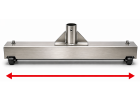
Magnetic brooms (or magnetic sweepers) are designed to collect metallic magnetic debris from floors in workshops, parking lots, and airport runways. We offer various types of magnetic brooms for cleaning and collecting objects. We manufacture brooms in various widths, magnetic brooms with neodymium magnets or ferrite magnets, magnetic brooms for cleaning trolleys and forklifts. Magnetic brooms are invaluable aids for both outdoor and indoor use. They enable the collection of debris (shavings, grinding dust, nails, nuts) either manually or automatically. Selected models can also be used on unpaved surfaces. Their advantages include easy operation, convenient handling and cleaning, and effective time savings when cleaning larger areas.
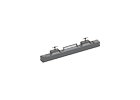
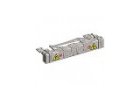
Product sorting
Brands
Magnetic surface length
List of products


What Magnetic Sweepers Do
Collect ferrous debris from floors and surfaces
As the sweeper moves across the floor (manually or by being drawn behind a vehicle), its built-in powerful magnets attract metal pieces lying on the ground and hold them securely until disposal.
Prevent equipment damage and contamination
Loose metal scrap on factory floors or around production lines can end up inside machinery, conveyors or raw material streams. By using a magnetic sweeper, you intercept these hazards before they reach sensitive equipment or materials.
Simplify maintenance and cleanup
Magnetic sweepers offer a quick, energy-free solution for routine cleaning and debris removal, reducing manual labor and minimizing downtime.
Enhance workplace safety
Collecting sharp metal fragments reduces the risk of injury to personnel and accidental damage to transport belts or processing machines.
1Decide how the sweeper will move: by hand or behind a vehicle
This decision splits the range into three groups before anything else:
- Hand-pushed sweepers in widths of 60 and 90 cm for workshops, garages, assembly halls and building sites.
- Sweepers for forklift trucks (MM 1200, MM 1500 and MM 1700 series) that hang on the forks and clean warehouse aisles and yards while the truck drives its normal routes.
- Sweepers for cleaning trolleys and carriers (MM 800, MM 1200 and MM 1800 series) for large paved areas, parking lots and runways.
If one person cleans a workshop floor, a hand sweeper is enough. If you are cleaning thousands of square metres every shift, a vehicle-mounted sweeper pays for itself in labour time.
2Choose ferrite or neodymium magnets by the debris you collect
Ferrite sweepers handle the everyday job: nails, screws, nuts, washers, shavings and larger swarf lying on a reasonably flat floor. They are the lower-cost option and ferrite tolerates heat and moisture well.
Neodymium sweepers pull noticeably harder from the same size of magnet. Take them for fine grinding dust and small chips, for uneven or rough surfaces, and wherever the magnet has to work at a larger distance from the ground.
3Pick the width from the area and the aisles
The range covers magnetic surface lengths from 560 mm to 1,700 mm. The wider the magnet, the fewer passes you need, but the harder the sweeper is to steer between racks, machines and pallets.
As a rule of thumb: 560 to 600 mm for tight workshops and between machines, 800 to 1,000 mm for production halls and service areas, and 1,150 to 1,700 mm for forklifts and trolleys cleaning wide aisles, yards and parking lots. Measure your narrowest passage before you order.
4Keep the magnet as close to the floor as the surface allows
Magnetic force drops steeply with distance. Every extra centimetre between the magnet and the floor costs a large share of the pull, so a sweeper set too high will roll over small parts without picking them up.
On smooth concrete or epoxy, run the magnet low. On gravel, cobbles or broken asphalt, raise it just enough to clear the bumps, and prefer a neodymium model to make up for the extra gap.
5Think about how you will empty it
Collected debris stays on the magnet until you remove it, and on a strong sweeper that can mean kilograms of sharp chips. Check in the product detail how the chosen model releases its load and plan where you will empty it: over a bin or a container, not on the floor you have just cleaned.
Wear gloves when you clean the magnet by hand. Swarf and grinding dust are sharp, and fine particles hold on hardest.
6Know what a magnetic sweeper will not pick up
A sweeper collects ferromagnetic metals only: steel, iron and cast iron. Aluminium, brass, copper and most austenitic stainless steels (grades such as 304 and 316) stay on the floor, as does glass or plastic.
Tip: If your workshop machines aluminium or stainless steel alongside ordinary steel, a magnetic sweeper is the right tool for the steel part of the waste, not a replacement for a conventional brush or vacuum. For a floor that has to stay clean of steel parts at one spot, such as the exit of a production line, a magnetic cleaning mat can do the job without anyone having to push anything.
Related categories to the Magnetic sweepers category
- Sweepers with ferrite magnets
- Sweepers with neodymium magnets
- Magnetic broom, width 1000 mm
- Sweepers for forklift trucks
- Sweepers for cleaning trolleys
- Cleaning magnetic mats
- Magnetic swarf collectors
- Magnetic dust traps
- Sorting magnets
- Magnetic manipulation rod
- Magnetic handling aids
- Telescopic magnet
- Hand magnets
- Magnetic bowls
- Tools for craftsmen
- Load magnets
- Magnetic separators
- All industrial magnets
Frequently asked questions about magnetic sweepers
Ferrite sweepers cover nails, screws, nuts and coarser swarf on a flat floor at a lower price. Neodymium sweepers pull considerably harder from the same magnet size, so choose them for fine grinding dust and small chips, for rough or unpaved surfaces, and wherever the magnet has to run higher above the ground.
Magnetic surface lengths run from 560 mm to 1,700 mm. Take 560 to 600 mm for tight workshops and between machines, 800 to 1,000 mm for production halls, and 1,150 to 1,700 mm for forklift or trolley sweepers cleaning wide aisles and yards. Check the narrowest passage the sweeper has to pass through before ordering.
Yes. The forklift range (MM 1200, MM 1500 and MM 1700 series) is designed to be carried on the forks, so the truck cleans warehouse aisles, loading ramps and yards while driving. For large outdoor areas such as parking lots and runways there are also sweepers for cleaning trolleys and carriers in the MM 800, MM 1200 and MM 1800 series.
Selected models can be used on unpaved surfaces. On gravel, cobbles or broken asphalt the magnet must run higher to clear the bumps, and magnetic force drops sharply with distance, so a neodymium sweeper is the safer choice there. On smooth concrete or epoxy a ferrite sweeper running close to the floor is usually enough.
No. A magnetic sweeper collects only ferromagnetic metals such as steel, iron and cast iron. Aluminium, brass, copper and most austenitic stainless steels (grades 304 and 316) are not attracted, so in mixed workshops the sweeper handles the steel waste and a conventional brush or vacuum handles the rest.
The debris stays on the magnet until you release or remove it, so hold the sweeper over a bin or container before emptying it. The release method differs by model and is described in each product detail. Always wear gloves, because swarf and grinding dust are sharp and fine particles cling hardest to the magnet.
We build magnetic sweepers ourselves, as part of the same industrial range as our magnetic separators, so we design them for real shop floors rather than catalogue photos. The range covers hand-pushed sweepers in 60 and 90 cm widths, sweepers for forklift trucks in the MM 1200 to MM 1700 series and sweepers for cleaning trolleys up to MM 1800, with ferrite or neodymium magnets and magnetic surface lengths from 560 to 1,700 mm. Tell us your floor, your debris and your narrowest aisle, and we will recommend the width and magnet type that actually fit, not simply the largest model.


