
Magnets for Magnet Fishing
Magnet Fishing: How to Choose a Magnet and Get Started Safely
Magnet fishing is the search for iron and steel objects in water using a powerful magnet attached to a rope. You can retrieve screws, tools, bicycles and even objects of historical value from rivers, ponds or wells.
- You need a fishing magnet, strong rope and work gloves.
- A double-sided magnet is practical for dragging along the bottom.
- A single-sided version is sufficient for lowering into a well.
- The stated magnet force is not the actual load capacity of a recovered object.
- Weapons and ammunition finds must always be reported to the police.
How does magnet fishing work?
A fishing magnet is tied to a strong rope, lowered or thrown into the water and slowly dragged along the bottom. As soon as it comes close to a ferromagnetic object, it attracts the object to its active surface.
The magnet primarily attracts iron, ordinary steel and cast iron. It will not attract aluminium, copper, brass or most non-magnetic stainless steels.
Which fishing magnet should you choose?
Single-sided magnet
It has an active magnetic surface mainly on the underside. It is suitable for vertical lowering into a well, shaft or from a jetty.
Double-sided magnet
It has an active surface on both sides. It is suitable for throwing from the bank and dragging along the bottom because it can capture an object regardless of which side lands downwards.
What does a force of 500 kg mean?
It is a value achieved under ideal conditions on a clean, flat and sufficiently thick steel surface. Rust, mud, curvature and a small contact area significantly reduce the actual force.
What accessories do you need?
- Strong polyester rope resistant to water and abrasion.
- Work gloves for protection against sharp edges and rope injuries.
- Safety glasses when handling powerful neodymium magnets.
- A rigid container for recovered screws, sheet metal and other waste.
- An anti-snag cone, if compatible with the specific magnet.
The rope must have a sufficient safety margin. Knots, wear and sudden jerking can reduce its actual strength.
How do you get started step by step?
- Inspect the magnet, eye, thread and entire rope.
- Tie the rope using a strong and correctly tightened knot.
- Secure the free end of the rope safely.
- Check the surrounding area and throw the magnet into the water.
- Allow it to sink and slowly drag it along the bottom.
- Retrieve the object smoothly without sudden jerking.
- Clean and dry both the magnet and rope after use.
Safety is more important than the magnet
- Never wrap the rope around your hand or body.
- Do not enter unknown or flowing water to recover a stuck magnet.
- Do not pull the magnet free using a vehicle.
- Powerful magnets can seriously pinch fingers.
- A fishing magnet is not a children's toy.
What should you do with recovered objects?
Take ordinary metal waste to a recycling centre or dispose of it properly in another way. Do not leave sharp objects on the bank or throw them back into the water.
- A bicycle, safe, money or another valuable object: do not automatically consider it your property; report the find to the owner, local authority or police.
- A weapon, ammunition or ordnance: do not handle it, move away and call 158.
- A possible archaeological find: do not disturb the location further and contact a museum or the Archaeological Institute.
Which locations are suitable?
Before starting, check the owner or administrator of the land and body of water. Do not go magnet fishing in areas where access is prohibited, near a weir, in a strong current, in a harbour or on a dangerous bridge.
Locations where many people have spent time over the years, such as areas around older bridges, jetties and embankments, can be practical. However, no location guarantees a valuable find, and magnet fishing is not a reliable way to make money.
Magnet fishing demonstration
Recommended equipment
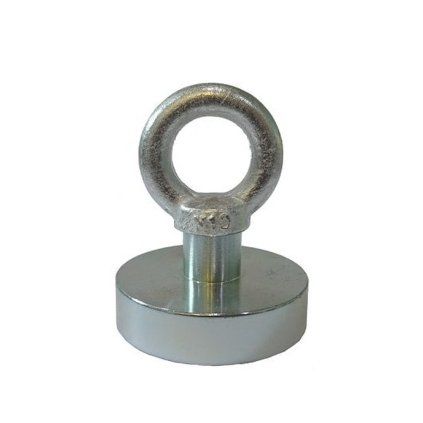
Fishing magnet 162 kg
Medium-sized single-sided magnet suitable for both beginner and experienced magnet fishers.
- Diameter 60 mm
- Height 30 mm
- Weight 450 g
- N38 neodymium magnet
- Stated force 162 kg
- Suspension eye for rope
- Product code 10583
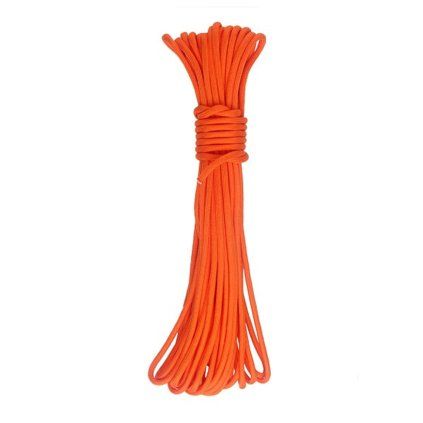
Rope 15 m, load capacity 560 kg
Abrasion-resistant polyester rope with a braided core for more powerful fishing magnets.
- Length 15 m
- Diameter 6 mm
- Weight 350 g
- Polyester material
- Stated load capacity 560 kg
- Product code 10591
Warning: the 560 kg value is not the safe working weight of a recovered object.
View product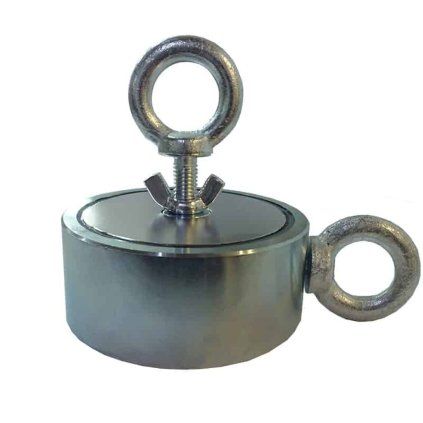
Double-sided fishing magnet 2× 500 kg
Powerful model with the option to position the eye on the top or side depending on the intended use.
- Diameter 100 mm
- Double-sided magnetic design
- Stated force 2× 500 kg
- N38 neodymium magnet
- Eye can be attached on the top or side
- Product code 10587
- A strong rope with a high safety margin is recommended
Note: the product page currently lists different weight values in the description and parameter table. Verify the weight with the seller before ordering.
View productFrequently asked questions
Is a single-sided or double-sided magnet better?
A single-sided magnet is suitable for vertical lowering. A double-sided magnet works better when dragging along the bottom.
Which rope do I need?
A strong, abrasion-resistant and low-stretch rope with a substantial safety margin above the expected load.
Can I keep the things I find?
Not automatically. If an object may have an owner or significant value, report the find to the local authority or police.
What should I do if I find a weapon?
Do not handle it, secure the surrounding area and call the police.
What should I do if the magnet becomes stuck?
Release the tension and change direction. Do not enter unknown water to recover the magnet.
Can I make money from magnet fishing?
You cannot rely on finding valuable objects. Magnet fishing is primarily a hobby and a way to remove some metal waste from water.
Summary
Magnet fishing is the search for ferromagnetic objects in water using a powerful magnet and rope. A double-sided model is practical for dragging along the bottom, while a single-sided magnet is sufficient for wells and shafts.
Always use a strong rope, gloves and a secure knot. The stated magnet force applies under ideal conditions and does not correspond to the actual weight of a recovered object.
Do not automatically keep valuable items, weapons, ammunition or possible archaeological finds. Follow the instructions of the local authority, police or relevant specialist institution.
Choose your magnet fishing equipment
Explore single-sided and double-sided magnets, strong ropes and other accessories.