
Is Aluminium Magnetic? Why Magnets Do Not Stick
Will a magnet stick to an aluminium plate?
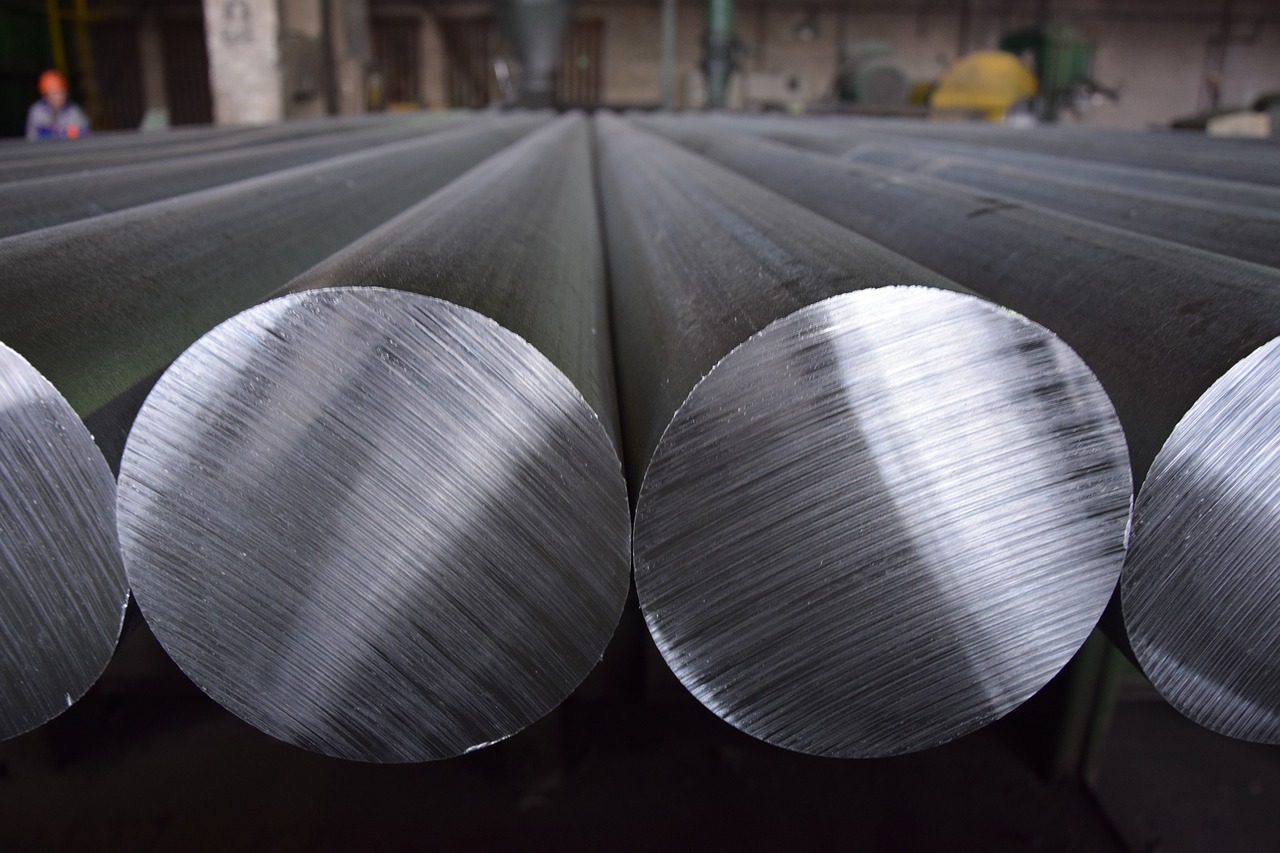
An ordinary magnet will not stick to a pure aluminium plate. Although aluminium is weakly paramagnetic, its response to a magnetic field is too small for a magnet to attach as it does to iron or steel.
- A magnet will not hold on pure aluminium.
- Aluminium cannot be permanently magnetised in the usual way.
- A magnet may hold on a hidden steel part of the product.
- Magnetic attachment requires a steel counterpart.
Why does a magnet not stick to aluminium?
Aluminium is not a ferromagnetic material. It does not contain magnetic domains that align strongly in an external field to produce a pronounced attractive force.
It is only paramagnetic, which means that:
- it responds very weakly to an external field,
- it does not retain magnetisation after the field is removed,
- it cannot be lifted with an ordinary magnet,
- it cannot replace a steel magnetic board.
Why does a magnet sometimes stick to an aluminium product?
A product described as aluminium may not be made entirely from aluminium. The magnet may attach to another part of the construction, such as:
- a steel screw,
- iron reinforcement,
- a steel frame beneath an aluminium cover,
- a metal insert or spring,
- a thin aluminium surface applied over steel.
If a magnet holds only at certain points on a plate, it is probably responding to hidden steel components.
How can you attach a magnet to aluminium?
A steel counterpart can be bonded or screwed to aluminium. The magnet then attaches to the steel, not to the aluminium itself.
Can an aluminium plate be turned into a magnetic surface?
Yes, but you need to add a ferromagnetic material. Options include:
- bonded steel sheet,
- self-adhesive steel discs or plates,
- screw-mounted steel counterparts,
- a steel board placed behind the aluminium panel.
Self-adhesive magnetic sheet does not always solve the problem. The sheet is itself a magnet and needs a suitable steel base for magnetic attachment. If an ordinary magnet needs to stick to an aluminium plate, the main requirement is to add a steel counterpart.
Why is aluminium used in AlNiCo magnets?
AlNiCo magnets are made from an alloy containing mainly:
- aluminium – Al,
- nickel – Ni,
- cobalt – Co,
- iron – Fe,
- and sometimes small amounts of other elements.
AlNiCo’s magnetic properties do not arise because aluminium itself is strongly magnetic. They result from the composition and internal structure of the whole alloy after appropriate heat treatment and magnetisation.
Advantages of AlNiCo magnets
- very good temperature stability,
- high operating temperature,
- good corrosion resistance,
- stable magnetic properties.
Compared with neodymium magnets, they usually offer lower performance at the same volume and are more sensitive to strong opposing magnetic fields.
How can you test an aluminium product easily?
- Use an ordinary permanent magnet.
- Bring it slowly towards different parts of the product.
- Observe whether the whole surface responds or only individual points.
- Compare the result with a known piece of steel.
No noticeable attraction is consistent with pure aluminium or another non-magnetic alloy. A strong local response usually indicates a steel part hidden within the construction.
Take care with strong magnets
A strong neodymium magnet can suddenly snap onto a hidden steel component. Bring it closer slowly, protect your fingers from pinching and take care of the plate’s delicate surface.
Frequently asked questions
Is aluminium magnetic?
Aluminium is weakly paramagnetic, but an ordinary magnet will not hold on it.
Can aluminium be permanently magnetised?
Not in the usual way that iron or steel can. Once the external field is removed, aluminium does not retain significant magnetisation.
Why does a magnet stick to an aluminium door?
The door may contain steel reinforcement, a frame, a lock or another ferromagnetic component.
How can I attach a magnetic sign to aluminium?
Attach a steel plate to the aluminium surface so the magnetic sign can stick to it.
Is an AlNiCo magnet made only from aluminium?
No. It is an alloy of aluminium, nickel, cobalt, iron and sometimes other elements.
Summary
A magnet will not stick to a pure aluminium plate. Aluminium is only weakly paramagnetic, and its response is negligible for ordinary magnetic attachment.
If you need to attach a magnet to aluminium, add a steel counterpart. If a magnet already sticks to an aluminium product, it is probably responding to a hidden steel part.
Need magnetic attachment on a non-magnetic surface?
Choose a suitable magnet and add a steel counterpart matched to the required size and holding force.