
Types of Magnets: Materials, Strength and Uses
Types of Magnets: Permanent Magnets and Electromagnets
A magnet is an object that creates a magnetic field around itself. It attracts magnetic materials and can attract other magnets. The main distinction, based on how they work, is between permanent magnets and electromagnets.
- A magnet creates a magnetic field around itself.
- It attracts ferromagnetic materials and can attract other magnets.
- We distinguish between permanent magnets and electromagnets.
- The types differ in composition, strength and applications.
- The range also includes specific products with photographs.
Magnets are used at home, in industry, in manufacturing and in technical applications. Each type has different properties, operating temperatures, strength and suitability for a particular use. It is therefore important to choose the right magnet according to what you expect it to do.
Permanent magnets need no power supply
The first group consists of permanent magnets. They create a magnetic field without an electrical power supply. They can be natural or manufactured.
Neodymium magnets
NdFeB neodymium magnets are among the strongest permanent magnets. They can be very small yet exceptionally strong.
Samarium magnets
SmCo samarium-cobalt magnets are hard but brittle. They offer high temperature resistance and are suitable for demanding applications.
Ferrite magnets
Ferrite magnets resist chemicals and heat. They are widespread and frequently used in everyday applications.

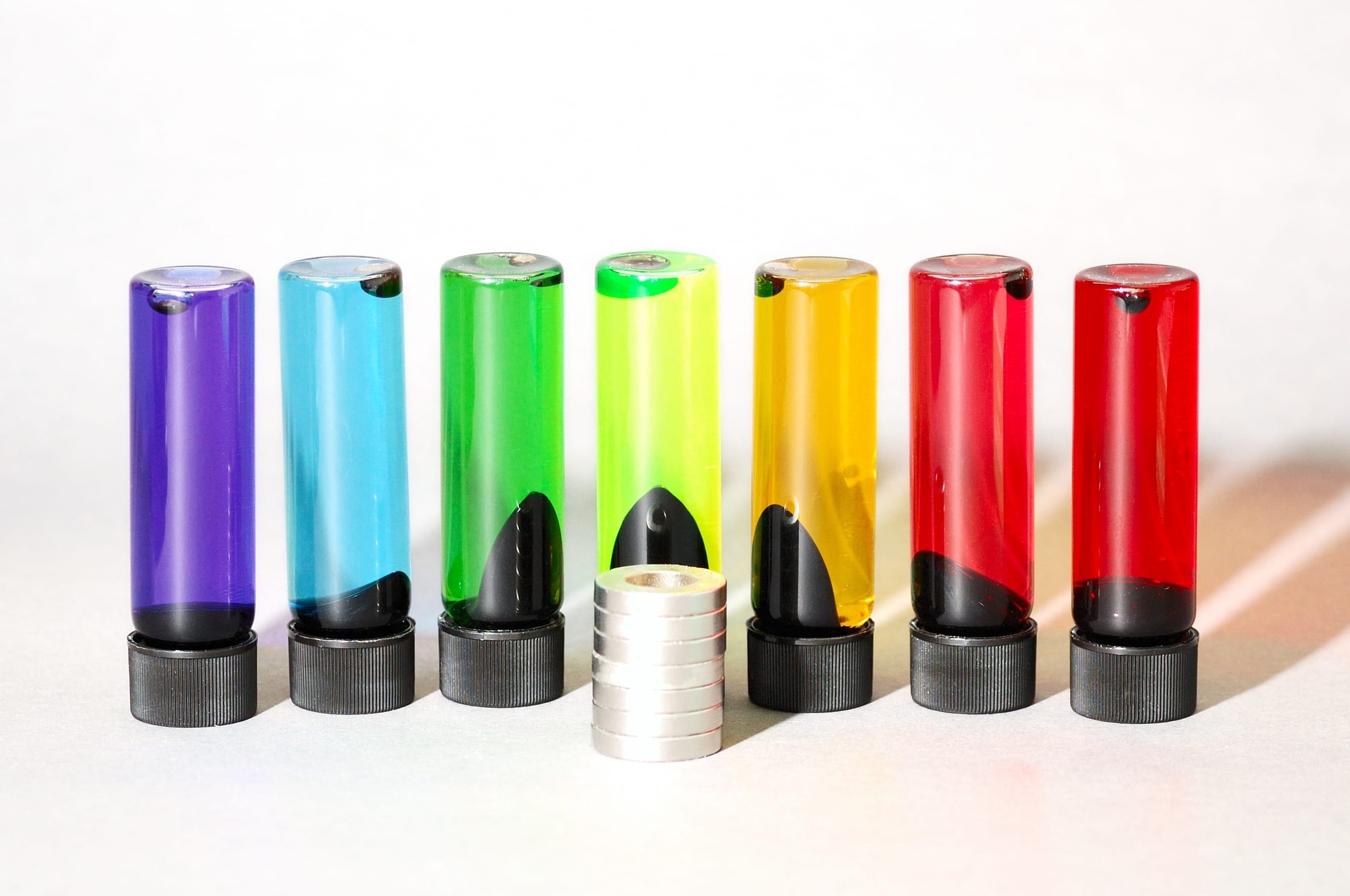
The strongest permanent magnets in practice
If you need a magnet with high strength, the most common choice is neodymium magnets. Modern manufacturing technology enables them to offer very high performance in a small size. They suit technical applications, manufacturing, assembly and various experiments.
Recommended product: a neodymium magnet
For small dimensions and high strength, an ideal choice is the neodymium cylinder magnet, diameter 4 × 0.8 mm, N. It is suitable for delicate technical work and applications requiring a very strong magnet in a miniature format.

Neodymium cylinder magnet, diameter 4 × 0.8 mm, N
A small but very strong cylindrical neodymium magnet. Suitable for technical uses, manufacturing and precision applications.
View product
Ferrite block magnet 25 × 20 × 6 mm
A practical ferrite block magnet for general use. Suitable where durability, simplicity and reliability are important.
View product
Ferrite cylinder magnet, diameter 15 × 5 mm
A compact cylindrical ferrite magnet for everyday and technical use. Suitable for applications requiring a simple, precise shape.
View productFerrite magnets are made from ferrites, ceramic materials based on iron oxides combined with strontium or barium. They resist chemicals and heat and are used where a long service life and stable properties matter.
NdFeB neodymium magnets have the highest magnetic strength among commonly used permanent magnets. This makes them ideal for small but very powerful applications.
AlNiCo, plastic-bonded and rubber magnets
In addition to the best-known types, other permanent magnets have very specific properties.
AlNiCo magnets
AlNiCo magnets are made from alloys containing aluminium, nickel, cobalt, iron, titanium and copper. They offer a wide operating temperature range and good durability.
Plastic-bonded magnets
These are produced by mixing powdered magnetic material with a binder. They allow complex shapes to be manufactured precisely and offer very good processability.
Rubber magnets
These are flexible and elastic. They are used as foils, tapes, labels and custom shapes, for example.
When choosing a magnet by shape, strength or material, we recommend also considering its operating environment. A magnet suitable for manufacturing may differ from one for a school or technical installation.
Electromagnets need electric current
The second main category consists of electromagnets. They create a magnetic field only while electric current flows through them. Without power from an external source, they do not generate that field.
An electromagnet is therefore a temporary magnetic source used wherever a magnetic field needs to be switched on and off as required.
Summary of the main differences
- Permanent magnets need no power supply and maintain their magnetic field.
- Electromagnets work only while electric current flows.
- Neodymium magnets are among the strongest permanent magnets.
- Ferrite magnets are durable and affordable.
- AlNiCo, plastic-bonded and rubber magnets extend the available applications according to your needs.
Frequently asked questions about magnets
What is the difference between a permanent magnet and an electromagnet?
A permanent magnet creates a lasting magnetic field without a power supply. An electromagnet needs electric current and works only while powered.
Why are neodymium magnets so strong?
Neodymium magnets are made from NdFeB, a material that enables very high magnetic strength even in a small volume.
What are ferrite magnets suitable for?
Ferrite magnets suit everyday uses, technical applications, manufacturing and situations where durability and affordability are important.
When should I choose an electromagnet?
An electromagnet is suitable when you need to control the magnetic field by switching it on and off as required.
Summary: which magnets should you choose?
For an everyday, durable solution, choose a ferrite magnet. If you need the greatest possible strength in a small size, choose a neodymium magnet. AlNiCo, plastic-bonded, rubber and electromagnetic versions are also available for specialist applications.
Looking for quality magnets in stock?
Choose from the range of ferrite and neodymium magnets according to your intended use.